Your first visit to the Smokies can be as relaxing or adventurous as you want it to be. This Smoky Mountains travel guide will help you get familiar with the park’s incredible scenery, outdoor activities, and must-see experiences. With so much to explore, a little planning can help you make the most of your time in the Smokies.
Why Visit Great Smoky Mountains National Park?
Great Smoky Mountains National Park offers an unforgettable mix of mountain scenery, diverse wildlife, historic places, and outdoor activities. Whether you want to explore on foot, enjoy a scenic drive, or simply take in the views, the park has something for every first-time visitor.
A Landscape Unlike Anywhere Else in the Eastern United States
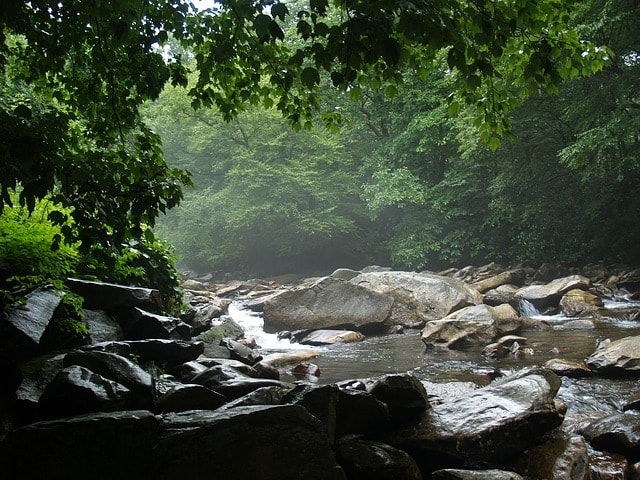
Rolling ridgelines, dense forests, rushing streams, and the famous blue haze create scenery that feels truly unique. Each season brings a different perspective, from spring wildflowers to colorful fall foliage.
Endless Outdoor Recreation Opportunities
The park invites you to slow down and explore, with activities ranging from scenic drives and wildlife viewing to fishing and picnicking. Hiking is one of the best ways to experience the Smokies, with trails ranging from short walks to challenging backcountry adventures.

Planning Your First Visit to Great Smoky Mountains National Park
While every moment doesn’t need to be scheduled, doing some intentional planning will help you make the most of your time in Great Smoky Mountains National Park, especially if this is your first visit.
Where Is Great Smoky Mountains National Park?
The park stretches along the border of Tennessee and North Carolina, with popular gateway towns including Gatlinburg, Pigeon Forge, and Cherokee.
Best Time of Year to Visit the Smokies
Spring brings wildflowers, summer offers lush scenery, fall is known for colorful foliage, and winter provides quieter trails and mountain views. Each season offers a different perspective and a variety of activities.
How Many Days Should You Spend in the Park?
Plan for at least two or three days to enjoy scenic drives, hiking trails, and popular overlooks without feeling rushed.

Must-See Scenic Drives in Great Smoky Mountains National Park
Setting out on a scenic drive is an easy way to experience the park’s mountain views, forests, and historic landscapes. Be sure to add these routes to your Smoky Mountains visitor guide itinerary.
Newfound Gap Road
Newfound Gap Road runs about 33 miles between Gatlinburg, Tennessee, and Cherokee, North Carolina, crossing the park from north to south. Along the way, you’ll climb through several forest zones and reach Newfound Gap, the lowest drivable pass across the Smokies. Stop at overlooks along the route for expansive mountain views.
Cades Cove Loop Road
The 11-mile Cades Cove Loop Road circles a broad mountain valley surrounded by peaks. The one-way road passes historic cabins, churches, barns, and open meadows where deer, black bears, and other wildlife are often spotted. The road can get congested, especially in leaf-peeping season, so allow multiple hours to complete the circuit, especially if you plan to stop frequently.

Roaring Fork Motor Nature Trail
This approximately 5.5-mile one-way loop begins near Gatlinburg and winds through dense forest along Roaring Fork. The narrow route features rushing streams, historic homesteads, and several short walking trails. It’s a particularly scenic choice for visitors who want a quieter, more intimate look at the park.
Foothills Parkway
The Foothills Parkway follows a ridge outside the main body of the national park, providing panoramic views of the Smokies and surrounding valleys. The completed sections near Wears Valley and Walland are especially popular for their overlooks and sweeping mountain vistas.
The Best Easy Hikes for First-Time Visitors
Hiking is one of the best ways to experience Great Smoky Mountains National Park, and you don’t have to tackle a difficult trail to enjoy the scenery. These popular hikes offer waterfalls, forests, and mountain views while remaining approachable for many first-time visitors.
Cataract Falls Trail
A short, 1-mile round-trip hike from the Sugarlands Visitor Center leads through a peaceful forest to Cataract Falls, making it a good choice for families.
- Difficulty: Easy
- Length: 1 mile
- Elevation Gain: 32 feet
- Trail Map
Kuwohi Observation Tower Trail
The 1.3-mile round-trip trail to Kuwohi Observation Tower is steep but short. At the summit, you’ll find a paved walkway leading to spectacular 360-degree mountain views.
- Difficulty: Moderate
- Length: 1.3 miles
- Elevation Gain: 337 feet
- Trail Map
Grotto Falls Via Trillium Gap Trail
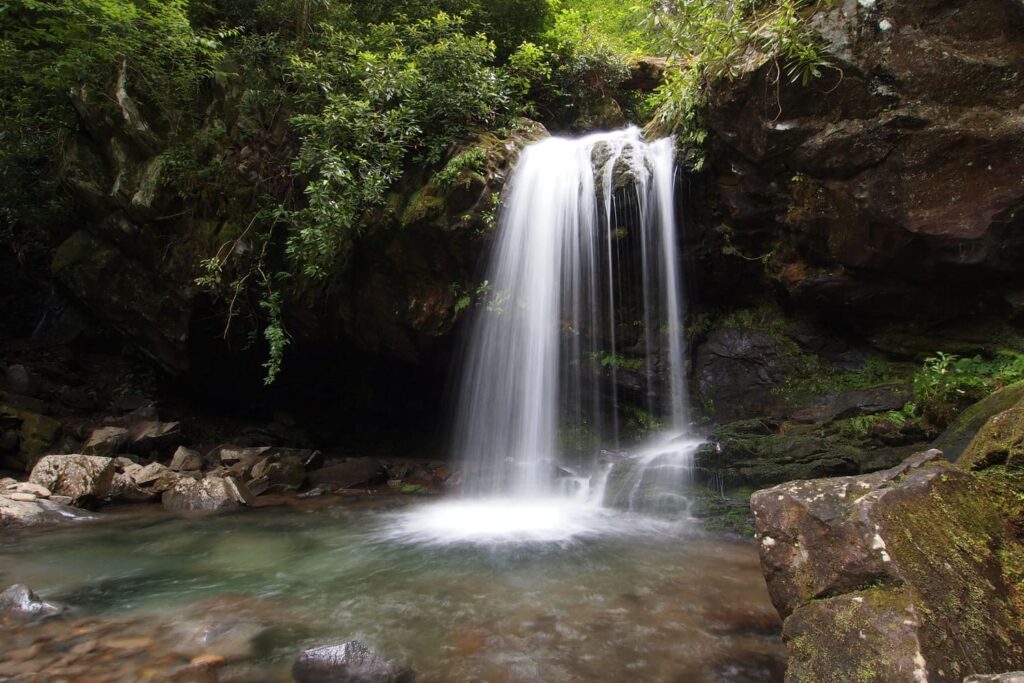
This 2.7-mile round-trip hike follows the Trillium Gap Trail through lush forest to Grotto Falls, where you can walk behind the waterfall for a unique perspective.
- Difficulty: Moderate
- Length: 2.7 miles
- Elevation Gain: 524 feet
- Trail Map
Wildlife Watching in Great Smoky Mountains National Park
Wildlife watching is one of the most memorable experiences for first-time visitors. Keep your eyes open along scenic roads, hiking trails, and open valleys, particularly during the quieter morning and evening hours.
Animals You May Spot During Your Visit
Black bears are among the park’s most famous residents, but you may also see white-tailed deer, wild turkeys, elk, groundhogs, squirrels, and numerous bird species. Elk are especially common around Cataloochee and other areas of the park.
Wildlife Safety Tips
Never approach or feed wildlife, and keep a safe distance even if an animal appears calm. Store food and scented items securely, and never leave food unattended. If you encounter a bear, remain calm, slowly back away, and give it plenty of space. Remember that wildlife viewing is best enjoyed from a safe distance with binoculars or a camera zoom.

Family-Friendly Things to Do in Great Smoky Mountains National Park
Families will find plenty of ways to connect while enjoying the park’s natural beauty. Add these activities to your Smoky Mountains visitor guide for easy ways to keep kids engaged as they experience the scenery, history, and wildlife of the Smokies.
Junior Ranger Program
The Junior Ranger program is a fun way for children to learn about the park’s plants, animals, history, and conservation. Kids can complete activities and learn more about protecting this special landscape.
Picnic Areas Worth Visiting
Metcalf Bottoms Picnic Area is a convenient choice from Gatlinburg, located along Little River Road and offering picnic tables near the river. Chimneys Picnic Area is another good option, situated along Newfound Gap Road and surrounded by mountain scenery.
Historic Sites and Visitor Centers
Sugarlands Visitor Center is the most convenient visitor center for families staying in Gatlinburg. Located just south of town, it offers maps, exhibits, park information, and access to nearby trails. History buffs can check out the historic Noah “Bud” Ogle farmstead, which provides a glimpse into life in the Smokies during the late 1800s.
Common Mistakes First-Time Visitors Should Avoid
A successful Smoky Mountains trip starts with realistic expectations. Mountain weather can change quickly, so pack layers and rain gear even when the forecast looks clear. Popular attractions and trailheads can also fill early, making an early start worthwhile, especially during busy seasons. Finally, don’t try to see everything in one day. Great Smoky Mountains National Park is expansive, and choosing a few experiences allows you to slow down and enjoy them instead of spending your vacation driving from one stop to another.
Why Stay in a Gatlinburg Cabin for Your Smoky Mountains Vacation
A Gatlinburg cabin provides a convenient home base for exploring Great Smoky Mountains National Park while offering more room to relax after a day outdoors. For your next Smoky Mountains vacation, use this Smoky Mountains travel guide to plan your adventures, then book your Gatlinburg vacation rental with our team at The Cabin Rental Store.